
Ice Damming, The Silent Destroyer! Ice Damming causes roof leaks


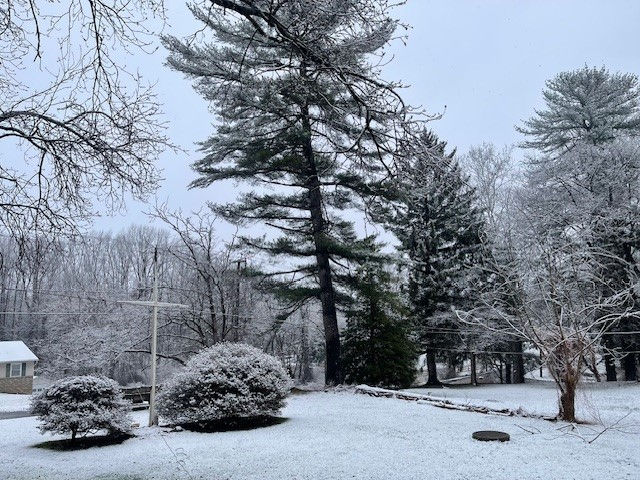
It is a cold, snowy day here in Bel Air, Maryland in early March 2026 and it was 80 degrees just yesterday. It is a good time to mention what I have always expressed about winters in Harford County, MD "I've seen more white Easters than Christmases..." Though this will be a short-lived snow event without major accumulation it makes me think back over the last winter. We had one considerable snowstorm and the tail end of it was a wonderful two inches of ice on top of nearly a foot of snow. This particular scenario created many unique challenges from shoveling and plowing, power outages and downed trees. But the most significant thing for the Home Improvement Industry was the ice damming many people experienced.
Ice damming is when snow and ice are trapped on the roof and cause a blockage that allows water to accumulate behind it. This often happens at the eve of the roof but can happen in other areas like where a valley meets a wall creating a choke point. When the water accumulates behind the ice dam it can build up and get above the weather seal of the roofing and flashing materials and leak into the building below causing considerable damage. Insulation, drywall and carpeting are just a few of the most common things damaged. Furniture and personal affects can also be damaged. The items I have mentioned so far are generally noticed when the leak occurs. Leaks from ice damming can occur within several hours of a snowstorm or a couple weeks later. It all depends on when the melting starts in the particular situation. In cases of bad roof ventilation and bad insulation it can start sooner, but ventilation and insulation are not the only culprits. Clogged gutters, downspouts and rain leaders prevent melting from leaving the roof and then refreeze and worsen the ice damming, during cold weather periods this may not happen until the true melt starts which could be weeks away. This is what happened to many folks in our area this last winter because it didn't go above 20 degrees for three weeks.
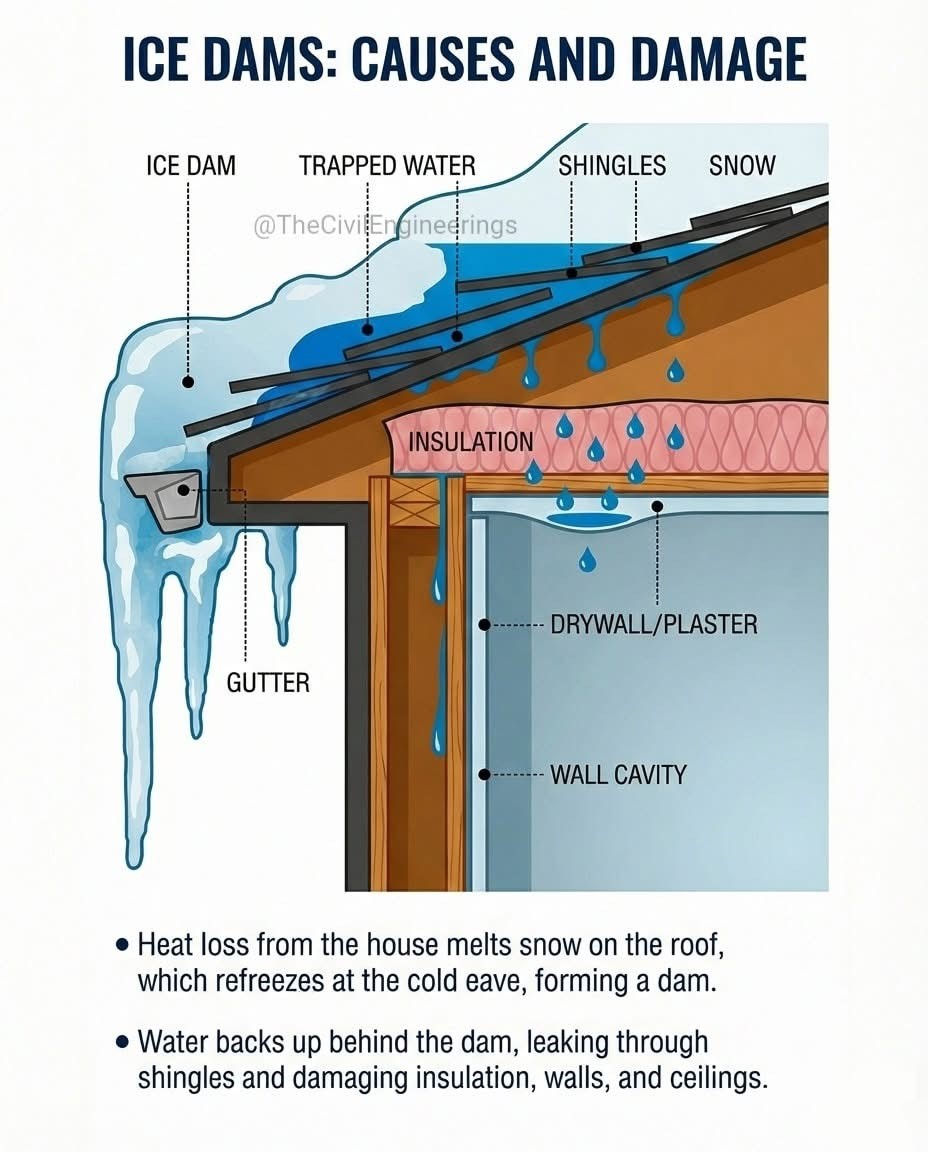
One of the tragic scenarios of ice damming is when you don't know it is occurring because it is minimal. Under this circumstance it can happen several times over several years and rot the plywood and rafters of your roof structure. This is what I call the "Silent Destroyer". Often insurance companies will cover water damage from ice damming, but when it comes to repetitive leaks over time, you are left footing the bill. There are legal and contractual time limitations for filing insurance claims. Not to mention the responsibility of the property owner to "Mitigate" their damages. An insurance adjuster once told me, "We don't cover leaks spanning over days, weeks, months or years." It is extremely important to ensure your gutters, downspouts and rain leaders are clean and free flowing. It is equally as important for downspouts to terminate several inches from the ground, so they don't get dammed up by freezing at the outlet, I like a 12" minimum. If your downspouts go into a rain leader, which means they go into a pipe in the ground, they should have a relief or overflow several inches off the ground so if the leader becomes clogged or frozen the water has somewhere to go.
A WORD OF CAUTION:
Attempting to remove an ice dam from a roof can be EXTREMELY DANGERIOUS OR EVEN DEADLY!
Professionals are very leery of breaking an ice dam, especially from a ladder, because they come down as fast as an avalanche. The force of the falling snow and ice can knock over a ladder, and the chunks of ice can cause severe trauma injuries.
If you think you have had ice damming on your roof, give us a call and we can help you determine the cause and if you have any damage from it.
Brian Hastings
BH Building Service
443-807-1216


Comments